
 ★ 8.6Guardian: The Lonely and Great God2016 · 16 episodes
KShowOnline
127 shows with 2,610 episodes and 49 films, each with its cast, its episode list and a Watch now button.
Top shows
View more (127) »★ 8.6Guardian: The Lonely and Great God2016 · 16 episodes ★ 8.3True Beauty2020 · 16 episodes
 ★ 8.2Love Alarm2019 · 14 episodes
 ★ 8.5Extraordinary Attorney Woo2022 · 16 episodes
 ★ 8.4W2016 · 16 episodes
 ★ 8.5Crash Landing on You2019 · 16 episodes
 ★ 8.5Weightlifting Fairy Kim Bok-joo2016 · 16 episodes
 ★ 8.2The King: Eternal Monarch2020 · 16 episodes
 ★ 8.5My Holo Love2020 · 12 episodes
 ★ 8.3Descendants of the Sun2016 · 16 episodes
 ★ 8.6Alchemy of Souls2022 · 30 episodes
 ★ 8.5Business Proposal2022 · 12 episodes
Latest shows
View more (127) » ★ 8.8When Life Gives You Tangerines2025 · 16 episodes
 ★ 8.1My Dearest Nemesis2025 · 12 episodes
 ★ 8.4Our Unwritten Seoul2025 · 12 episodes
 ★ 8.3Tastefully Yours2025 · 10 episodes
 ★ 7.7The Potato Lab2025 · 12 episodes
 ★ 8.1Resident Playbook2025 · 12 episodes
 ★ 7.5Melo Movie2025 · 10 episodes
 ★ 8.0Love Scout2025 · 12 episodes
Top rated shows
View more (47) »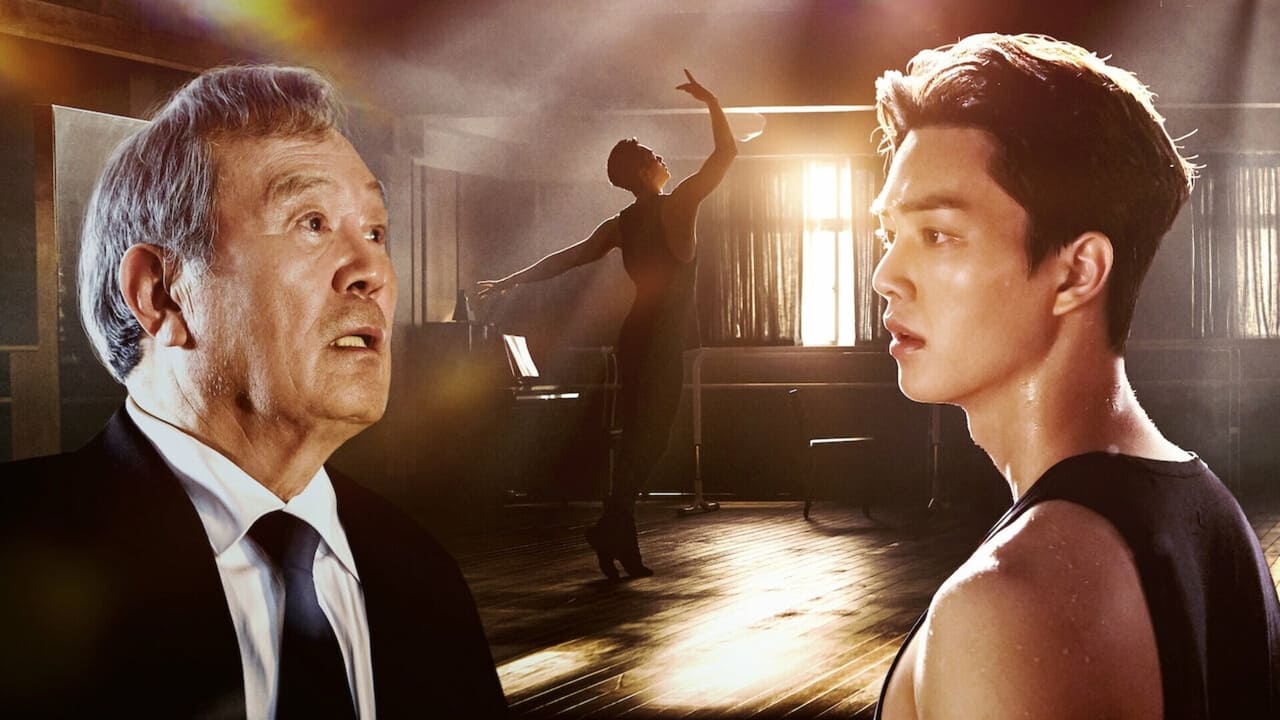 ★ 8.6Navillera2021 · 12 episodes
 ★ 8.6Misaeng: Incomplete Life2014 · 20 episodes
 ★ 8.5Hotel Del Luna2019 · 16 episodes
 ★ 8.5Scarlet Heart: Ryeo2016 · 20 episodes
 ★ 8.5Mr. Queen2020 · 20 episodes
 ★ 8.5Twenty Five Twenty One2022 · 16 episodes
 ★ 8.4Tale of the Nine Tailed2020 · 16 episodes
 ★ 8.4Our Blues2022 · 20 episodes
Korean films
View more (49) » ★ 7.0Space Sweepers2021 · 136 min
 ★ 7.7Red Shoes and the Seven Dwarfs2019 · 92 min
 ★ 7.2Extreme Job2019 · 111 min
 ★ 7.6EXIT2019 · 103 min
 ★ 8.0The Way Home2002 · 86 min
 ★ 7.2Vanishing Time: A Boy Who Returned2016 · 129 min
 ★ 7.2The Princess and the Matchmaker2018 · 110 min
 ★ 7.1Hot Young Bloods2014 · 121 min
More shows
View more (156) » ★ 8.3What's Wrong with Secretary Kim2018 · 16 episodes
 ★ 8.2Hometown Cha-Cha-Cha2021 · 16 episodes
 ★ 8.2King the Land2023 · 16 episodes
 ★ 8.3A Love So Beautiful2020 · 24 episodes
 ★ 8.2My First First Love2019 · 16 episodes
 ★ 7.9Doom at Your Service2021 · 16 episodes
 ★ 8.1Hi Bye, Mama!2020 · 16 episodes
 ★ 8.2Start-Up2020 · 16 episodes
The KShowOnline guide to Korean shows
KShowOnline: Korean shows and films, from Guardian, Crash Landing on You and Extraordinary Attorney Woo to Reply 1997, Misaeng and When Life Gives You Tangerines
Korean television has become one of the great pleasures of the modern viewer. A show from Seoul will give you a complete story, told with care, in sixteen episodes or fewer: a first meeting, a secret, a separation, a reunion in the rain, and an ending that sends you to bed content. Viewers on every continent now follow these shows week by week, and KShowOnline is a guide made for them. It lists 127 Korean drama series first shown between 1999 and 2025, with 132 seasons and 2,610 episodes, together with 49 Korean films. Every title has a page with its cast, a summary in English, its rating, and a button that leads to the official services where it can be watched; every show adds a full list of episodes with their air dates.
The catalogue was chosen by hand for a household audience. Love stories are at its centre, as they are at the centre of Korean drama itself, and comedies are close behind. Twenty-one titles are fantasies, eighteen are set in the historical past, twenty-eight in offices and hospitals, twenty-two in schools and universities and thirteen in the world of music. Forty-seven titles hold a rating of 8.0 or higher, which says a good deal about how warmly these shows are loved.
This guide goes through the lists in the order of the menu: how the site works, the top shows, then romance, fantasy, historical sagas, working life, school days, music and the films, with notes on the stars and on how Korean shows are built. Questions and answers close the page. First-time visitors can begin with the short page on how to watch with KShowOnline.
How KShowOnline works
The design is clean and bright. A white header carries the name beside a blue badge with a yellow K. Beneath it, a thin blue line runs across the page, and under the line sits the menu: Shows list, Films, Top rated, Romance, Comedy, Fantasy, Historical, the A-Z index and My List, with a search field at the right. The page itself is the palest grey, and everything on it is arranged in white panels that seem to float a little above the background.
The home page has five panels. Top shows holds the twelve series with the most votes from viewers worldwide. Latest shows holds the eight newest. Top rated shows, Korean films and More shows follow. Each entry is a wide still from the show with its rating on a yellow tab in the corner; beneath it are the title in light blue and a grey line giving the year and the number of episodes, or the running time for a film. A title appears only once on the page. The View more link at the right of each panel heading opens the full list.
A show page tells you everything you need before starting. At the top are the title, the year, the number of episodes and the rating out of ten, with a summary in English. The leading cast follows, and each name is a link to that performer's other titles on KShowOnline, which matters a great deal in a television culture where viewers follow favourite actors from one show to the next. Below, the season opens into its episodes, each with its number and the date it first aired in Korea.
The blue Watch now button stands beside a menu of fifteen countries. Choose yours, press, and JustWatch opens with the subscription, rental, purchase and free services that carry the show there, with their subtitle options. KShowOnline is the guide and the episode list; the services do the playing. The search field understands titles and names, and a title followed by an episode number goes straight to that episode. The page on finding titles lists every route, and the My List page explains the personal shortlist kept in your own browser.
The top shows
The most watched show on KShowOnline is Guardian: The Lonely and Great God, known to its admirers simply as Goblin. An immortal warrior, nine hundred years old and weary of it, shares a house with a grim reaper who has lost his memory and meets a cheerful schoolgirl who says she is destined to be his bride. Gong Yoo, Kim Go-eun and Lee Dong-wook lead a show that moves from comedy to heartbreak and back within a single scene, and it holds a rating of 8.6.
Crash Landing on You is the show that introduced many viewers outside Asia to Korean drama. A wealthy businesswoman from Seoul is swept off course in a paragliding accident and comes down on the far side of the border, where an army captain hides her in his village. Hyun Bin and Son Ye-jin play the leads, and the village wives who take the stranger under their wing are as memorable as the romance. Descendants of the Sun, from 2016, sets its love story between a soldier and a surgeon on a mission abroad.
Extraordinary Attorney Woo, rated 8.5, follows a brilliant young lawyer on the autism spectrum through her first year at a large Seoul firm. Each episode brings a new case, and Park Eun-bin's performance, precise and full of warmth, made the show a worldwide success in 2022. Business Proposal is the liveliest of the recent office comedies: a food researcher goes on a blind date in her friend's place, intending to be turned down, and finds that the man across the table is her own chief executive.
The highest rating of all belongs to a newcomer. When Life Gives You Tangerines, released in 2025 and rated 8.8, follows a spirited girl and a steadfast boy from the island of Jeju through the whole of their lives, beginning in the 1950s. IU and Park Bo-gum play the couple in youth, and the show has been praised everywhere for its tenderness toward parents and children. Close behind at 8.6 are Navillera, in which a retired postman of seventy takes up ballet, and Misaeng: Incomplete Life, the definitive drama of office life. The guide to the top shows suggests where to begin.
Romance
Romance is the lifeblood of Korean drama, and nearly every show in the catalogue has a love story somewhere in it. The office is the favourite setting. In What's Wrong with Secretary Kim, a perfect assistant announces after nine years that she is leaving, and her vain, brilliant employer discovers he would be lost in her absence. King the Land pairs a hotel heir who dislikes false smiles with an employee famous for hers. Her Private Life gives an art curator a secret hobby as the manager of a fan site, Touch Your Heart sends an actress to work in a law office to research a role, and Love in Contract imagines a woman who earns her living as a professional stand-in wife for bachelors who need one at family gatherings.
First love is treated with special tenderness. Weightlifting Fairy Kim Bok-joo, rated 8.5, is set at a sports university, where a champion weightlifter and a swimmer who was her childhood classmate move from teasing to devotion; it is one of the sunniest shows ever made. Twenty Five Twenty One follows a schoolgirl fencer and a young man whose family lost everything in the financial crisis of 1998, and looks back on their story from the present with a bittersweet smile. A Love So Beautiful, True Beauty and My First First Love are for younger viewers.
Romances for grown-ups have become a strength of recent years. One Spring Night and Encounter take their time over two people who meet when life is already complicated. Hometown Cha-Cha-Cha moves a dentist from Seoul to a fishing village and introduces her to the local handyman who seems able to do every job in town. Thirty-Nine is about three friends on the edge of forty, Our Blues about a whole community of islanders, and My Liberation Notes about three siblings in the countryside who long for something more. The romance guide arranges the list by mood.
Fantasy
Twenty-one titles add something supernatural, and Korean writers use fantasy with unusual freedom. Immortals and spirits are a favourite device. Besides the goblin and his reaper, there is Hotel Del Luna, whose owner, played by IU, has run a hotel for wandering ghosts in the middle of Seoul for a thousand years and hires a very reluctant human manager. Tale of the Nine Tailed makes a fox spirit from folklore into a modern guardian searching for his lost love, and My Girlfriend Is a Gumiho treats the same legend as comedy. Doom at Your Service introduces a young woman to a being who is, quite literally, the end of everything.
Other shows open doors between worlds. In W, a surgeon is pulled into the comic strip her father draws and meets its hero. The King: Eternal Monarch links modern Korea with a parallel kingdom ruled by an emperor on a white horse. Alchemy of Souls, thirty episodes of intricate adventure rated 8.6, is set in an invented land of mages where a soul can be shifted from one body to another. Are You Human? and My Holo Love wonder whether a robot or a hologram can love.
Time is the third great subject. Mr. Queen sends the soul of a present-day chef into the body of a queen of the Joseon era, with riotous results, and is rated 8.5. Hi Bye, Mama! gives a young mother who died in an accident forty-nine days to return to her family. Live Up to Your Name brings a physician from the seventeenth century to a modern hospital, Tomorrow with You follows a man who can travel forward on the subway, and Reunited Worlds returns a boy to his friends twelve years after he vanished, still eighteen. The fantasy guide sorts the list by device.
Historical shows
Eighteen titles are set in Korea's past, and they include the longest and grandest shows in the catalogue. Hur Jun, from 1999, is the oldest entry: sixty-four episodes on the life of a physician of humble birth who rose to serve the royal court and wrote a medical text still honoured today. The Great Queen Seondeok tells in sixty-two episodes how a princess raised far from the palace became the first woman to rule the kingdom of Silla. Jewel in the Crown follows a girl of low rank who becomes a royal consort and the mother of a king. These are sagas to live with for a season, full of scholars, healers, palace kitchens and silk.
The newer historical shows are shorter and often lighter. The Red Sleeve is a finely acted romance between a crown prince and a court lady who values her own freedom. Scarlet Heart: Ryeo sends a modern woman back a thousand years into a court of rival princes and is rated 8.5. Sungkyunkwan Scandal disguises a clever girl as a boy so that she can study at the royal academy, Rookie Historian Goo Hae-Ryung imagines women appointed as palace record-keepers, and The Tale of Nokdu reverses the disguise by hiding a young man in a village of widows.
The costumes alone are worth the visit: the wide-brimmed horsehair hats of the gentlemen, the layered silks of the court ladies, the embroidered robes of the kings. Several films in the catalogue share the setting, among them The Royal Tailor, about two rival dressmakers at court, and The Book of Fish, filmed in black and white, about an exiled scholar and a young fisherman who teach each other. The historical guide lists all eighteen.
Working life
Twenty-eight titles are set in workplaces, and the best of them is one of the finest Korean shows of any kind. Misaeng: Incomplete Life follows a young man who spent his youth training to be a professional player of the board game baduk and, having failed, arrives at a trading company as an intern with an empty record. Over twenty episodes he and three fellow recruits learn the small humiliations and smaller victories of office life. The show was taken so much to heart in Korea that its title became a common word for the struggling junior employee.
Other workplaces have their own shows. Stove League, rated 8.3, is set in the front office of a baseball club that has finished last four years running and is handed to a manager who knows little about the sport and everything about winning. Good Manager is a comedy about a crooked accountant who accidentally becomes a champion of his colleagues. Search: WWW follows three women at the top of rival internet companies, Start-Up a group of young founders, and The Producers the staff of a television network's entertainment division, where the programmes being made are the very kind of weekend variety shows that Korean families gather to watch.
Hospitals are well represented. Good Doctor, from 2013, tells the story of a young paediatric surgeon with autism and was later remade in America under almost the same name. Daily Dose of Sunshine is set on a psychiatric ward and treats its patients and its nurses with rare gentleness. Doctor Slump reunites two former classmates, both physicians and both exhausted, and Resident Playbook follows first-year doctors in training. The workplace guide has the full list.
School and youth
Twenty-two titles are set in schools and universities, and two of them changed Korean television. Reply 1997 moves between a class reunion in the present and the last years of school in the port city of Busan, where a girl devoted to a pop group and the boy next door who has always loved her bicker their way toward adulthood. Its sequel in spirit, Reply 1994, gathers students from every province of the country in one Seoul boarding house. Both are full of the songs, clothes and gadgets of their years, and both keep the audience guessing until the final episode which friend the heroine married.
Sport and school go together in Racket Boys, a warm comedy about a badminton team at a village school far from the capital, rated 8.0, and in the fencing halls of Twenty Five Twenty One. Hello, My Twenties! follows five young women sharing a house near their university. School 2017, At Eighteen and A Poem A Day take a gentle look at the pressures of the classroom and of first jobs, and High School King of Savvy has a schoolboy ice hockey player stand in for his older brother at a company.
These shows are a good choice for watching with teenagers. They are honest about examinations, friendships and first disappointments, and they show adults, especially teachers and parents, as people doing their best. The school guide groups the list by age.
Music and performance
Korean pop music and Korean drama grew up together, and thirteen titles are set in the world of performance. Dream High, from 2011, follows six students at an arts high school as they train to become singers; several of its young cast, among them Suzy, Kim Soo-hyun and IU, went on to become some of the biggest stars in the country. You're Beautiful hides a novice nun inside a boy band in place of her twin brother, Heartstrings is set at a university of the arts, and Imitation looks at the lives of young idols behind the stage.
Classical music has its shows too. Beethoven Virus is about a ferociously demanding conductor and the amateur orchestra he is obliged to lead, and it made its star a household name. Naeil's Cantabile pairs a perfectionist piano student with a free-spirited one, and Do Do Sol Sol La La Sol follows a pianist who starts again in a small seaside town.
The most moving of all is about dance. In Navillera, a man of seventy who has dreamed of ballet all his life finally asks a troubled young dancer to teach him. The title is a word from a Korean poem for the fluttering of a butterfly, and the show, twelve episodes long and rated 8.6, is about the courage it takes to begin something at any age. The music guide covers the list.
Comedy
Korean shows are funnier than newcomers expect. Even the most tearful romance will pause for a comic misunderstanding, and some shows are comedies from start to finish. Business Proposal, Mr. Queen and Good Manager have been mentioned. The Sound of Your Heart, based on a hugely popular online comic strip, is a quick-fire sitcom about a cartoonist and his eccentric family, with Lee Kwang-soo, a regular on Korean weekend entertainment programmes, in the lead.
The romantic comedies have a house style: an unlikely pair forced to share a roof, an office or a secret. Full House, from 2004, set the pattern with a writer and a film star obliged to pretend to be married, and was among the first Korean shows to travel across Asia. My Girl, Cinderella and Four Knights, So I Married an Anti-Fan and The Secret Life of My Secretary follow in its steps, and Love to Hate You, Dali & Cocky Prince and Clean with Passion for Now bring the formula up to date. The comedy guide lists the funniest.
Family sagas
Alongside the sixteen-episode shows runs an older tradition, the weekend family drama, broadcast on Saturday and Sunday evenings for six months at a time. Two are in the catalogue. My Only One has 106 episodes, the most of any title here, and follows a young woman whose life is upended when she learns the truth about her father. Once Again runs for 100 episodes around the four grown children of a market family, each of whom comes home with a marriage in trouble.
These shows move at the pace of real life. Meals are cooked and eaten, grandparents give advice, neighbours drop in, and small quarrels are patched up over many episodes. They are the programmes that three generations of a Korean household watch together, and they make comfortable long-term viewing. The same warmth runs through Our Blues, set among the fishing families and market traders of Jeju, and When Life Gives You Tangerines. The family guide has more.
Korean films
The forty-nine films were chosen to match the mood of the shows: comedies, romances and family stories that fit a single evening. The best loved is The Way Home, rated 8.0, in which a seven-year-old from Seoul spends a summer with his silent grandmother in a mountain village and slowly learns to deserve her. Inseparable Bros, at 8.2, is the true story of two men with different disabilities who lived as brothers for twenty years, and Keys to the Heart pairs a washed-up boxer with a younger brother who is a gifted pianist.
Comedy and spectacle are well served. Scandal Makers turns a radio host's life upside down with the arrival of a daughter and grandson he knew little about. Space Sweepers follows a ragged crew collecting debris in orbit, EXIT sends two climbers up the buildings of a city, and the animated Red Shoes and the Seven Dwarfs gives a fairy tale a new twist. Samjin Company English Class is a spirited comedy about three office workers in the 1990s who uncover a secret at their firm, and Take Off the true story of Korea's first ski-jumping team.
History is represented by MAL·MO·E: The Secret Mission, about the scholars who compiled the first dictionary of the Korean language, and by the two costume films already mentioned. Gentle romances such as Josée, Ditto, Lovers' Concerto and Microhabitat complete the list. The films guide sorts them by kind.
The stars
Korean viewers are loyal to their actors, and the catalogue shows why. Park Min-young appears in six shows, more than any other performer, from the scholar in disguise of Sungkyunkwan Scandal in 2010 to the weather forecaster of Forecasting Love and Weather in 2022, and she is the acknowledged queen of the office romance. Song Hye-kyo, Shin Min-a, Park Bo-young, Suzy and Lee Dong-wook each have four shows, and the range within each career is striking: Lee Dong-wook is a boyish hotel heir in My Girl in 2005 and a thousand-year-old fox in 2020.
IU, who is also one of the country's most successful singers, has four shows, three of them rated 8.5 or higher. Nam Joo-hyuk, Seo In-guk, Park Shin-hye, Han Ji-min and Han Hyo-joo also have three. Some performers are best known for one unforgettable part: Park Eun-bin as Attorney Woo, Gong Yoo as the goblin, Kim Hye-ja as the heroine of The Light in Your Eyes, a show about time that is best watched knowing as little as possible.
The writers are stars as well. Kim Eun-sook wrote the goblin story, Descendants of the Sun and The King: Eternal Monarch; the sisters known as the Hong sisters wrote Hotel Del Luna, Alchemy of Souls, You're Beautiful and My Girlfriend Is a Gumiho. Every cast name on a show page is a link, and the guide to the stars offers a starting point.
Healing shows
Korean viewers have a word for a certain kind of programme: a healing show, one that leaves you calmer than it found you. Several of the most loved titles in the catalogue belong to the type. Hometown Cha-Cha-Cha is the model. Almost everything in it happens in a seaside village where the grandmothers dry squid on the harbour wall, the café owner dreams of a singing career that ended decades ago, and the newcomer from Seoul gradually stops looking at her telephone. By the last episode the viewer knows every resident and would gladly move in.
When the Weather Is Fine is set in a snowy country town around a tiny bookshop that hosts a reading club on winter evenings. Once Upon a Small Town sends a city vet to cover his grandfather's rural practice, Modern Farmer a struggling rock band to grow cabbages, and The Potato Lab a manager to a research station in the hills. Daily Dose of Sunshine finds the same gentleness in a hospital ward, and Our Blues in the markets and fishing boats of Jeju. These are good shows for the end of a long day, when a story about people being decent to one another is exactly what is wanted.
Friendship
For all the attention given to romance, many of the best Korean shows are really about friends. Thirty-Nine follows three women who met at eighteen and have told each other everything for twenty years. Be Melodramatic puts three flatmates, a scriptwriter, a documentary maker and a marketing manager, on one sofa with a great deal of late-night food. Hello, My Twenties! does the same for five students, and Search: WWW finds an unexpected respect between professional rivals.
Friendships among men are drawn just as warmly, from the baduk-playing intern and his stern section chief in Misaeng: Incomplete Life to the goblin and the reaper squabbling over the breakfast table. The school shows are built on groups of friends, and half the pleasure of the two Reply series is watching a boarding house or a class of teenagers become a family. Among the films, Inseparable Bros, Punch and Take Care of My Cat, about five young women in a port city finding their separate ways after school, treat friendship as the main event.
Sport on the list
Sport gives Korean writers a ready-made story of effort and reward, and the catalogue has a strong team. Stove League is unusual in that hardly a ball is thrown on screen; the drama is in trades, contracts and a new manager's quiet war on old habits. Racket Boys is its opposite, all sunshine and shuttlecocks. Twenty Five Twenty One makes fencing thrilling, Weightlifting Fairy Kim Bok-joo is tender about the appetites and insecurities of young athletes, and Run On pairs a sprinter with a film translator.
The films add Marathon, the true story of a young runner with autism and his determined mother; Take Off, about a ski-jumping team assembled from unlikely recruits; The Foul King, in which a put-upon bank clerk finds confidence in the wrestling ring; and The Himalayas, about a mountaineer who returns to a great peak for the sake of a lost friend. In each, the game is a way of talking about loyalty.
Places on screen
Part of the appeal of these shows is the country itself. Seoul appears in every mood: the glass towers of the business district in the office romances, the steep lanes and rooftop flats where young characters live, the palaces that double as film sets for the historical shows, the convenience stores where so many late-night confessions take place over instant noodles. The river Han, with its bridges and cycle paths, is where couples go to talk.
Away from the capital, the island of Jeju, with its black volcanic walls, tangerine groves and women divers, is the setting of Our Blues and When Life Gives You Tangerines. Busan and its dialect give Reply 1997 much of its flavour. The east coast supplies the harbour of Hometown Cha-Cha-Cha, and the mountains the villages of the country shows. Several series travel abroad: Encounter opens in Cuba, Descendants of the Sun was partly filmed in Greece, and Crash Landing on You in Switzerland. Fans have been known to plan holidays around the locations, and the summaries on each page often mention where a story is set.
A few useful words
Subtitles carry the meaning, but a handful of Korean words are heard so often that they are worth knowing. Oppa is what a woman calls an older brother or an older male friend, and its first use between a couple is usually a milestone. Sunbae means a senior at school or work and hoobae a junior, a distinction that shapes every office and campus story. Ajumma is a married woman of middle years, often the most formidable character in any village. A chaebol is one of the great family-owned business groups, and the heirs of such families are the standard leading men of romantic comedy.
Viewers will also meet the webtoon, an online comic strip, since many shows, among them True Beauty, Business Proposal, Misaeng: Incomplete Life and The Sound of Your Heart, began as one. And the letters OST stand for original soundtrack: every show commissions its own songs, released one at a time as the episodes air, and a ballad from a popular drama can top the charts for weeks. Listening for the moment a song returns is one of the small rituals of watching.
Food on screen
A guide to Korean shows should always save a word for eating, because the characters hardly stop. A shared meal is how families make peace, how colleagues bond and how couples admit their feelings. Tastefully Yours sets its romance in a small restaurant with one table, and Eccentric! Chef Moon around a celebrated cook who retreats to the countryside. In Flower Boy Ramen Shop a noodle bar brings a group of mismatched young people together, and in Chocolate a chef and a doctor are linked by a childhood meal.
Even shows about other things linger at the table: the fried chicken and beer of the office outings in Misaeng: Incomplete Life, the village feasts of Hometown Cha-Cha-Cha, the royal kitchens of the historical sagas. Viewers quickly learn the names of the dishes, and many take up cooking them. It is another way in which these shows travel so well.
Parents, grandparents and elders
One thing that sets Korean shows apart is the place they give to older people. Parents and grandparents are full characters with stories of their own, and some of the most admired performances in the catalogue come from actors in their sixties and seventies. Kim Hye-ja carries The Light in Your Eyes. Park In-hwan is the heart of Navillera. The mothers of Our Blues, who have dived for shellfish all their lives, are as vivid as any of the younger leads, and When Life Gives You Tangerines is as much a tribute to a generation of parents as a love story.
Respect for elders shapes the plots. A romance is rarely settled until both families have given their blessing, and a good many episodes are spent winning over a sceptical mother or a silent father. Grandmothers are the keepers of wisdom and of recipes. Even in the office dramas the relationship between a senior and a junior is drawn with care, as in Misaeng: Incomplete Life, where a gruff section chief becomes the mentor every young worker wishes for. Younger viewers elsewhere in the world often say this is what they like best: these are shows in which the generations talk to one another.
Stories that travelled
The reach of Korean drama can be measured by how often its stories have been told again elsewhere. Good Doctor is the best-known case: the tale of a gifted young surgeon with autism was remade in the United States and ran there for seven seasons, and versions followed in Japan and Turkey. Full House was remade in half a dozen Asian countries. Misaeng: Incomplete Life inspired adaptations in Japan and China, and What's Wrong with Secretary Kim and Descendants of the Sun have both been retold in the Philippines.
The traffic flows inward too. Naeil's Cantabile is a Korean version of a Japanese story about music students, A Love So Beautiful of a Chinese school romance, and My Sassy Girl moves a famous Korean film comedy back to the Joseon era. Scarlet Heart: Ryeo began as a Chinese novel. Comparing an original with its remake is an entertaining way to notice what each country adds: the Korean versions are nearly always warmer about families and slower to let the couple hold hands.
A show for every season
Korean shows are attentive to the calendar, and choosing by season adds to the pleasure. Spring belongs to the campus romances, filmed under cherry blossom: Weightlifting Fairy Kim Bok-joo and A Love So Beautiful. Summer suits the seaside and the countryside, with Hometown Cha-Cha-Cha, Racket Boys and Once Upon a Small Town. Autumn, with its golden ginkgo trees, is the season of the goblin's story and of the grown-up romances, and winter of When the Weather Is Fine, with its snowbound bookshop, and of first snowfalls, which in Korean drama always arrive at exactly the right moment for a confession.
A household might plan a year this way, four or five shows chosen to match the weather outside, with a film from the catalogue between each one as a palate cleanser. It is a pleasant way to keep company with a country, and by the end of the year the sound of the language, the look of the streets and the taste of the food will all feel familiar. My List is the natural place to keep such a plan, one season at a time.
How Korean shows are built
A viewer used to series that run for many years will find the Korean way refreshing. Almost every show in the catalogue is complete in a single season. Sixty-four of the 127 run for exactly sixteen episodes, the classic length, and most of the others for twelve or twenty. The story is planned from beginning to end before broadcast begins, so there are few loose threads and the final episode is a true conclusion.
Episodes are generous, usually a little over an hour, and traditionally two were shown each week, which is why a sixteen-episode show lasted two months on air. Many shows follow a recognisable rhythm: a lively opening quarter in which the couple meet, a middle in which they draw together, a crisis around the twelfth episode, and a gentle resolution. Knowing the shape is part of the fun, and the best writers play with it.
The lengths in the catalogue vary more than the rule suggests. The shortest shows, made for streaming, are The Fabulous with eight episodes and Doona! with nine. Older shows were sometimes split for broadcast into half-length parts, so that Temperature of Love and Rookie Historian Goo Hae-Ryung are listed with forty. The historical sagas run to sixty or more, and the weekend dramas to a hundred. The guide to episodes and length explains how to choose by the time you have.
Twenty-six years of shows
The series in the catalogue span a quarter of a century, and their dates trace the rise of Korean drama. Only three were first shown before 2005: Hur Jun, Hotelier and Full House, from the years when these shows first found audiences across East Asia. Six date from 2005 to 2009, among them My Girl, Brilliant Legacy and Beethoven Virus. Eighteen come from 2010 to 2014, the years of Dream High, the two Reply shows and Misaeng: Incomplete Life.
The great expansion followed. Forty-eight shows date from 2015 to 2019, when streaming carried Korean drama to the whole world, and forty-four from 2020 to 2024. Eight are from 2025, including Our Unwritten Seoul, in which twin sisters exchange lives, Tastefully Yours, Love Scout, Melo Movie and The Potato Lab. Picture quality, music and location filming have grown steadily more lavish, yet the heart of the form, two people and a reason they should be together, has hardly changed.
Advice for a first show
Newcomers sometimes ask where to begin. A romantic comedy of twelve or sixteen episodes is the gentlest start: Business Proposal or What's Wrong with Secretary Kim for laughter, Crash Landing on You for sweep, Weightlifting Fairy Kim Bok-joo for charm. Viewers who prefer stories about work might start with Extraordinary Attorney Woo or Stove League, and those who like a touch of magic with the goblin.
Give a show two episodes before deciding. The first often spends its time setting out families and rivalries, and the story takes wing in the second. Watch with subtitles, since the sound of the language, with its different forms of address for elders, friends and sweethearts, carries much of the comedy. And be prepared for food: characters in Korean shows are forever sharing stew, fried chicken and noodles, and many viewers find themselves cooking along within a week.
One practical note. A show is a commitment of sixteen hours or more, so My List is useful for keeping track of what you have chosen. Add the titles that appeal as you read, and work through them one at a time; the episode lists on each page will show you exactly how far you have to go.
The top rated list
Forty-seven titles hold a rating of 8.0 or higher from at least fifty voters. When Life Gives You Tangerines leads at 8.8. Four shows share 8.6: Guardian: The Lonely and Great God, Alchemy of Souls, Navillera and Misaeng: Incomplete Life. Nine stand at 8.5, among them Extraordinary Attorney Woo, Crash Landing on You, Weightlifting Fairy Kim Bok-joo, Business Proposal, Hotel Del Luna, Scarlet Heart: Ryeo, Mr. Queen and Twenty Five Twenty One.
The list is strikingly varied: a fantasy, an office drama, a story about ballet, a legal series, a historical comedy and a sports romance all sit near the top. Ratings for Korean shows tend to be high because the people who vote are devoted, so the summary on each page remains the best guide to whether a show suits your mood.
A show page in detail
Take Navillera as an example. The page opens with a still of an old man and a young dancer at the practice bar, the year 2021, twelve episodes and a rating of 8.6. The summary explains that Deok-chul, a retired postman, decides at seventy to pursue the dream he set aside as a boy and persuades Chae-rok, a gifted dancer who has lost his way, to become his teacher. Park In-hwan and Song Kang lead the cast, and pressing Song Kang's name brings up his two other shows in the catalogue. Below, the twelve episodes are listed in order with the dates on which they first aired, from late March to late April of that year. Set the country menu, press the blue Watch now button, and the services carrying the show where you live appear with their prices and subtitle options.
Questions and answers
Questions
What is KShowOnline?
KShowOnline is a guide to 127 Korean drama series with 2,610 episodes and 49 Korean films. Each title has a page with its cast, an English summary and its rating, and a Watch now button that opens the official services carrying it in your country.
How do I watch a show?
On the show's page, choose your country from the menu and press the blue Watch now button. JustWatch will list the subscription, rental, purchase and free services streaming it in that country.
Are subtitles available?
Subtitles are provided by the services that carry each show, usually in several languages. Check the options on the service's own page after pressing Watch now.
Which shows are rated highest?
When Life Gives You Tangerines leads at 8.8, followed at 8.6 by Guardian: The Lonely and Great God, Alchemy of Souls, Navillera and Misaeng: Incomplete Life.
How long is a typical show?
Most shows are complete in one season of twelve or sixteen episodes of about an hour each. Sixty-four of the 127 shows have exactly sixteen episodes.
Which show has the most episodes?
My Only One, with 106, followed by Once Again with 100. The shortest shows have eight and nine episodes.
Is KShowOnline suitable for families?
The catalogue was chosen by hand for a household audience. Each page carries a summary so that parents can judge a title for themselves, and the School and Family lists are good places to start with younger viewers.
Can I find a single episode?
Yes. Every show page lists its episodes with their air dates, and the search field accepts a title followed by an episode number.
What is My List?
My List is your running order of shows to watch. The browser on this device remembers it, pressing the list button on a page adds or removes that title, and a copy can be saved to a file from the list page.
Where does the information come from?
Stills, ratings, casts, episode lists and production details come from TMDB. The guide on this page and the fifteen help pages are written by the KShowOnline editorial team.
